shutterstock

Top 100 Condiments
in the World

Last updated on June 10, 2026

Best Condiment Types in the World
01

Bawang goreng

4.6 ·

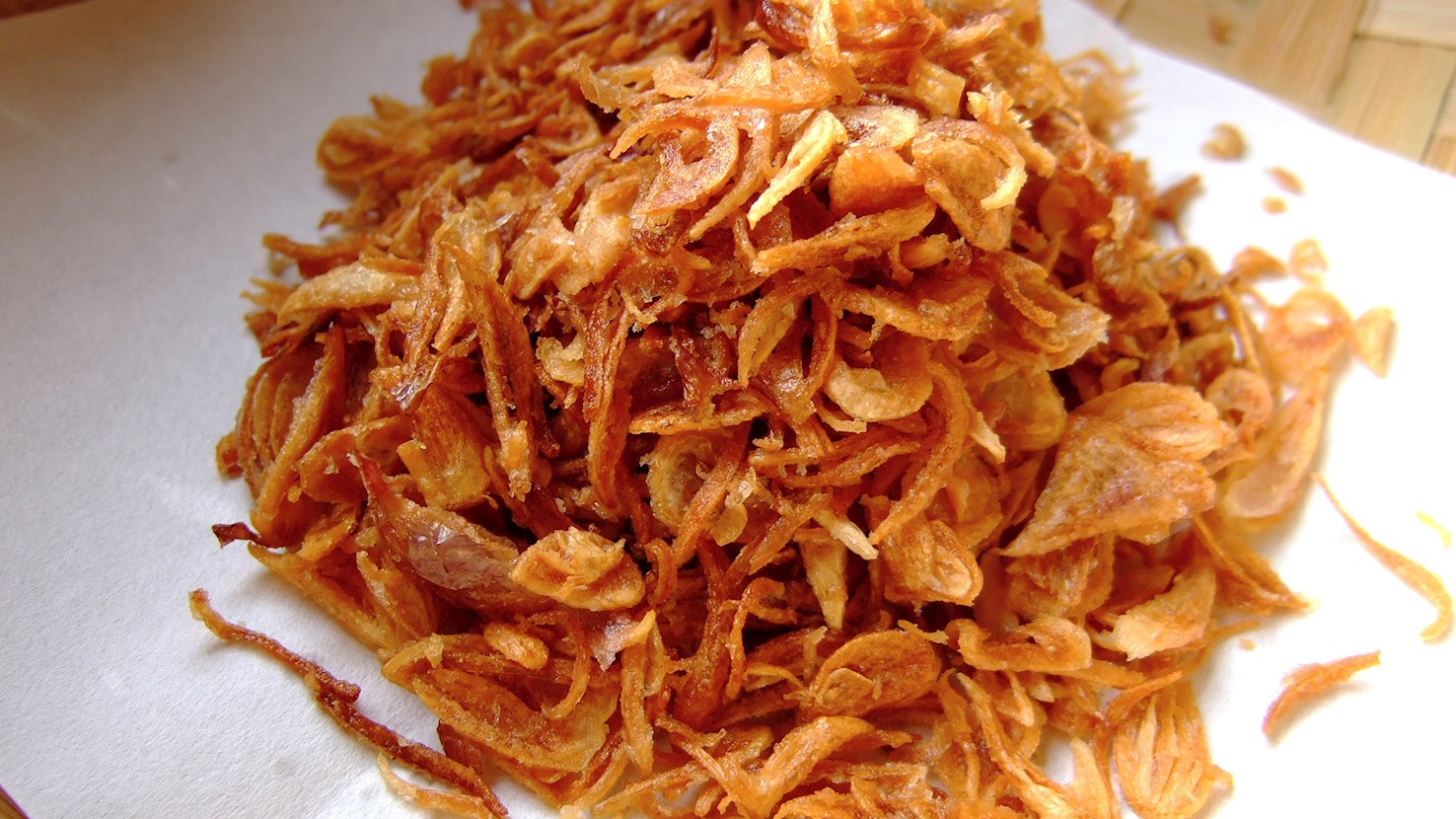
Bawang goreng is a traditional condiment. It's made by deep-frying thinly sliced shallots in oil until the shallots become crisp and golden. The flavor is described as bitter and savory. Once prepared, this condiment is usually stored in airtight jars for later use. It's sprinkled over various Indonesian dishes such as nasi goreng, chicken satay, bakso, semur, and sop buntut. Bawang goreng can be bought at most Indonesian supermarkets and grocery stores.

02

Aceto Balsamico di Modena

4.5 ·

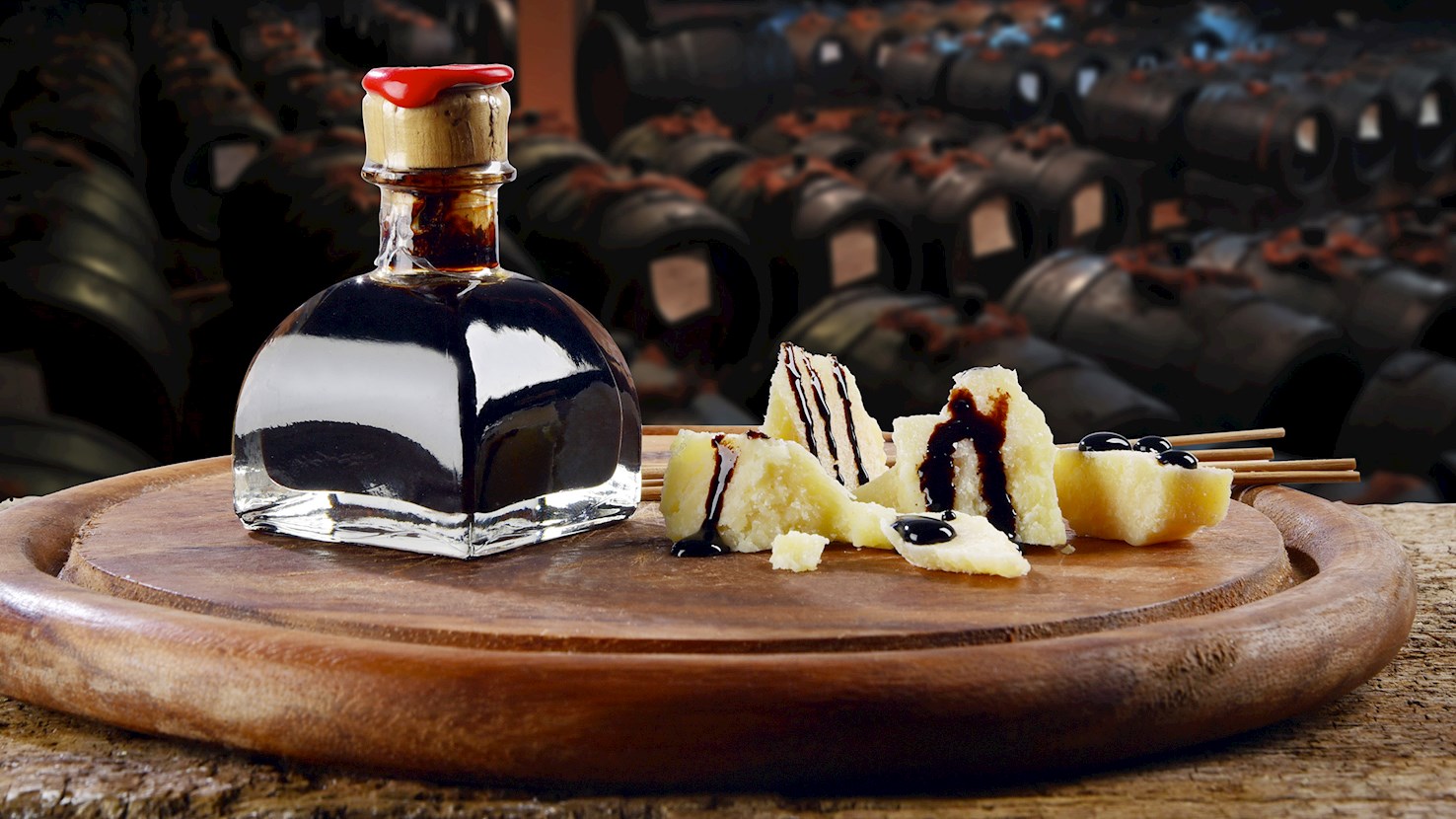
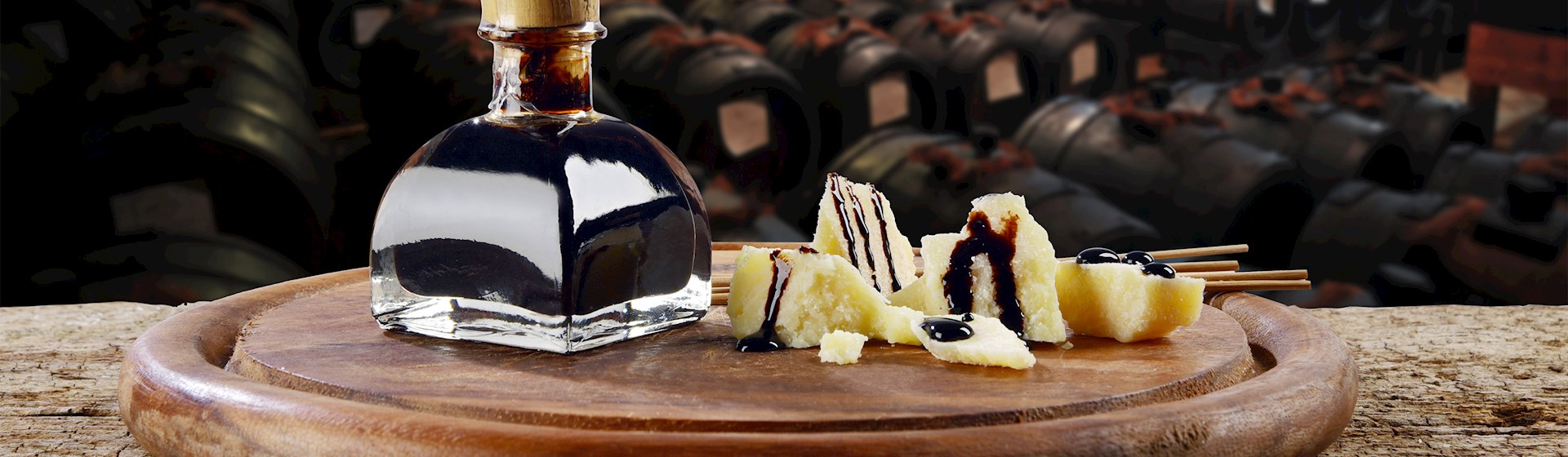
Widely used and commonly found on restaurant tables across Europe, Aceto Balsamico di Modena is produced in the neighboring provinces of Modena and Reggio Emilia. Aceto di Modena is an inexpensive, less aged variety of Aceto Balsamico Tradizionale di Modena. It usually sells for approximately $10-20 an ounce, and should never be mistaken for the highly prized Tradizionale that can sell for up to $200 an ounce. Traditionally, balsamic vinegar is made from late harvested, locally grown Trebbiano grapes. The grape juice is cooked, reduced and matured in barrels made of different types of wood. Over time, the reduced must takes on complex aromas of wood, a balanced taste of caramel sweetness and fruity acidity, finally turning into a dense, rich balsamic vinegar. Even though it is most often enjoyed drizzled over parmesan chunks, Aceto Balsamico di Modena is quite a versatile product, used both in cooking and for various salad dressings.

03

Aceto Balsamico Tradizionale di Modena

4.4 ·

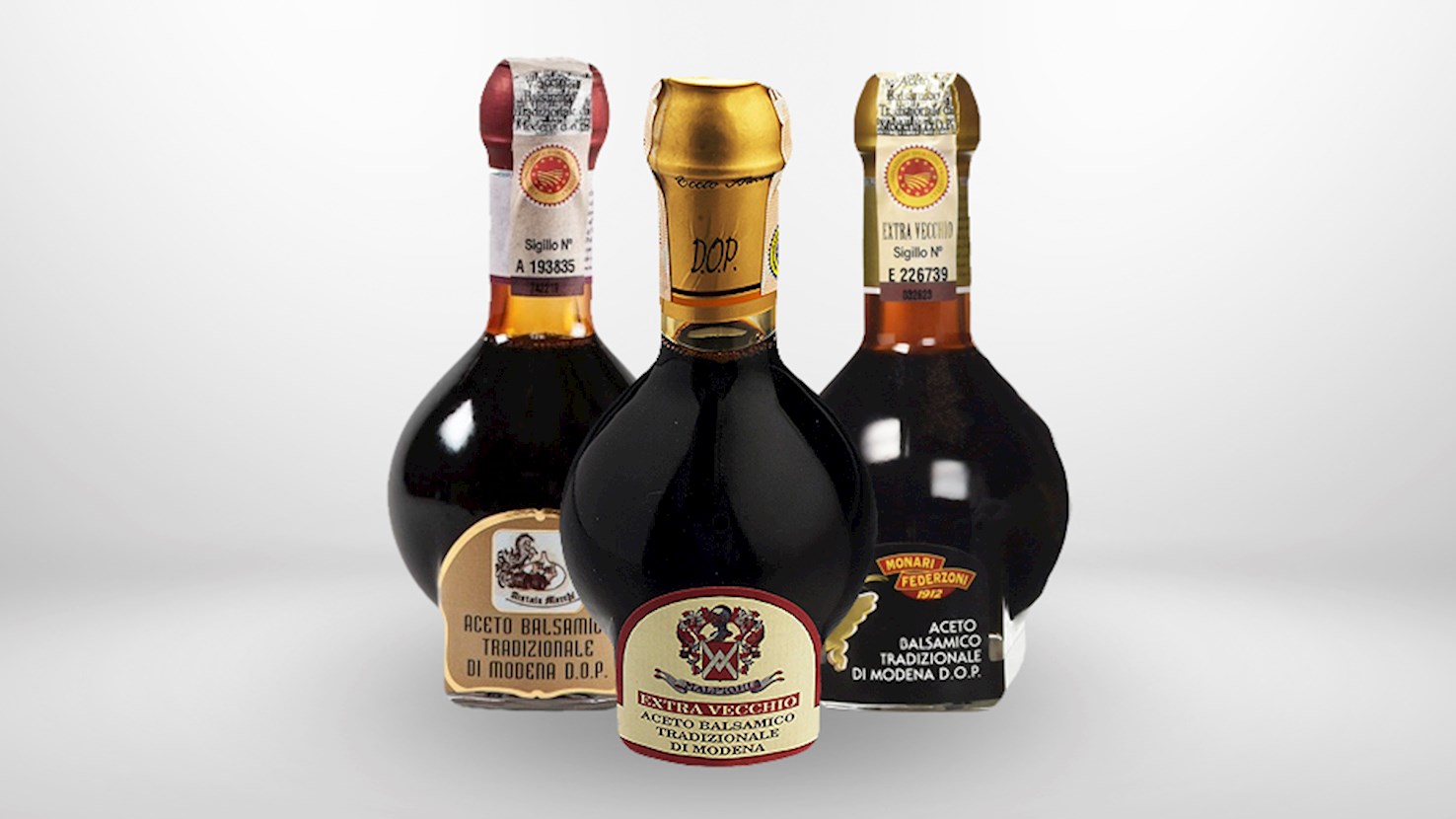
Produced since the Middle Ages and famous throughout the world, the traditional balsamic vinegar of Modena is made from a reduction of pressed and cooked Trebbiano and Lambrusco white grapes. The grape juice is boiled down to approximately 30% of the original volume, which produces a thick syrup called mosto cotto in Italian. Aceto Balsamico Tradizionale di Modena is then stored in wooden barrels and fermented with a slow aging process for a minimum of 12 years. During this time, the traditional Modena vinegar becomes sweeter, viscous and very concentrated, which intensifies the flavor even more. Aceto balsamico is rich, glossy, deep brown in color and has a complex flavor that balances the natural sweet and sour elements of the cooked grapes with hints of wood from the barrels: chestnut, cherry, oak, mulberry, ash or juniper. Aceto Balsamico Tradizionale di Modena can sell for up to $200 an ounce, and should never be mistaken with the regular Aceto Balsamico. Highly prized by modern chefs and gourmet food lovers, the Extravecchio variety of Modena balsamic vinegar, the one that's aged for 25 years or even more, is marketed in bottles with gold-colored caps. The most famous Modena desserts made with this balsamic vinegar are Zabaione, Latte alla Portoghese, and Panna Cotta.

04

Shèng chóu (Light soy sauce)

4.4 ·

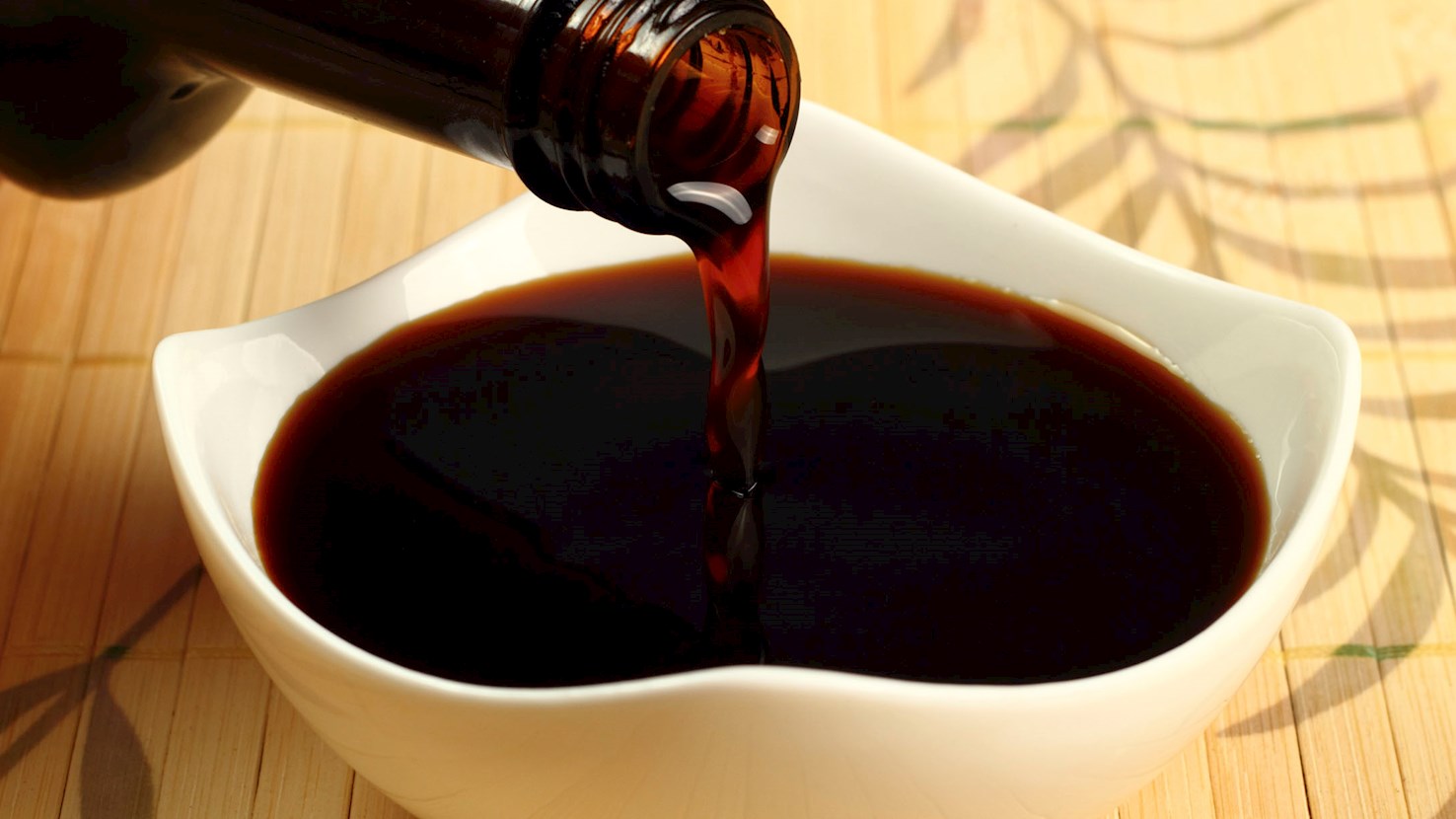
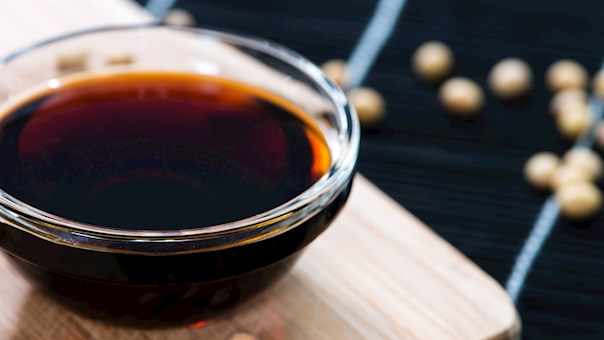
Light soy sauce or shèng chóu is a translucent, thin-bodied fermented liquid condiment made from soybeans, wheat, salt, and water. The emergence of this specific liquid can be traced back to the widespread use of soybean pastes in the Han and Tang dynasties, where the savory liquid byproduct was eventually siphoned off and developed into a standalone seasoning. Unlike meat-based sauces used in earlier eras, this legume-based alternative gained prominence due to its high glutamic acid content and its suitability for diverse dietary requirements across East Asia. Preparation begins with steaming soybeans and mixing them with roasted wheat to serve as a growth medium for Aspergillus oryzae or Aspergillus sojae molds. This mixture, known as qū, is then submerged in a brine solution and kept in large fermentation vats, often exposed to sunlight to facilitate the enzymatic breakdown of proteins into amino acids. The light version is the first extract taken from this process, harvested after several months of aging before any significant thickening or darkening occurs. A specific property of light soy sauce is its high sodium concentration combined with a low viscosity, which allows it to penetrate food surfaces quickly without altering the natural color of the ingredients. It is served both as a fundamental seasoning during the cooking process and as a cold dipping sauce. It is most frequently eaten with steamed seafood, blanched vegetables, and dumplings, where it provides a sharp, salty umami profile. Functional food pairings include white-fleshed fish, which benefit from the sauce's ability to highlight delicate flavors, and lean meats like chicken. Beverage pairings include lightly oxidized oolong teas or pale lagers, which provide a crisp finish that cleanses the palate of the high salt content inherent to the condiment.

05

Düsseldorfer Mostert

4.3 ·

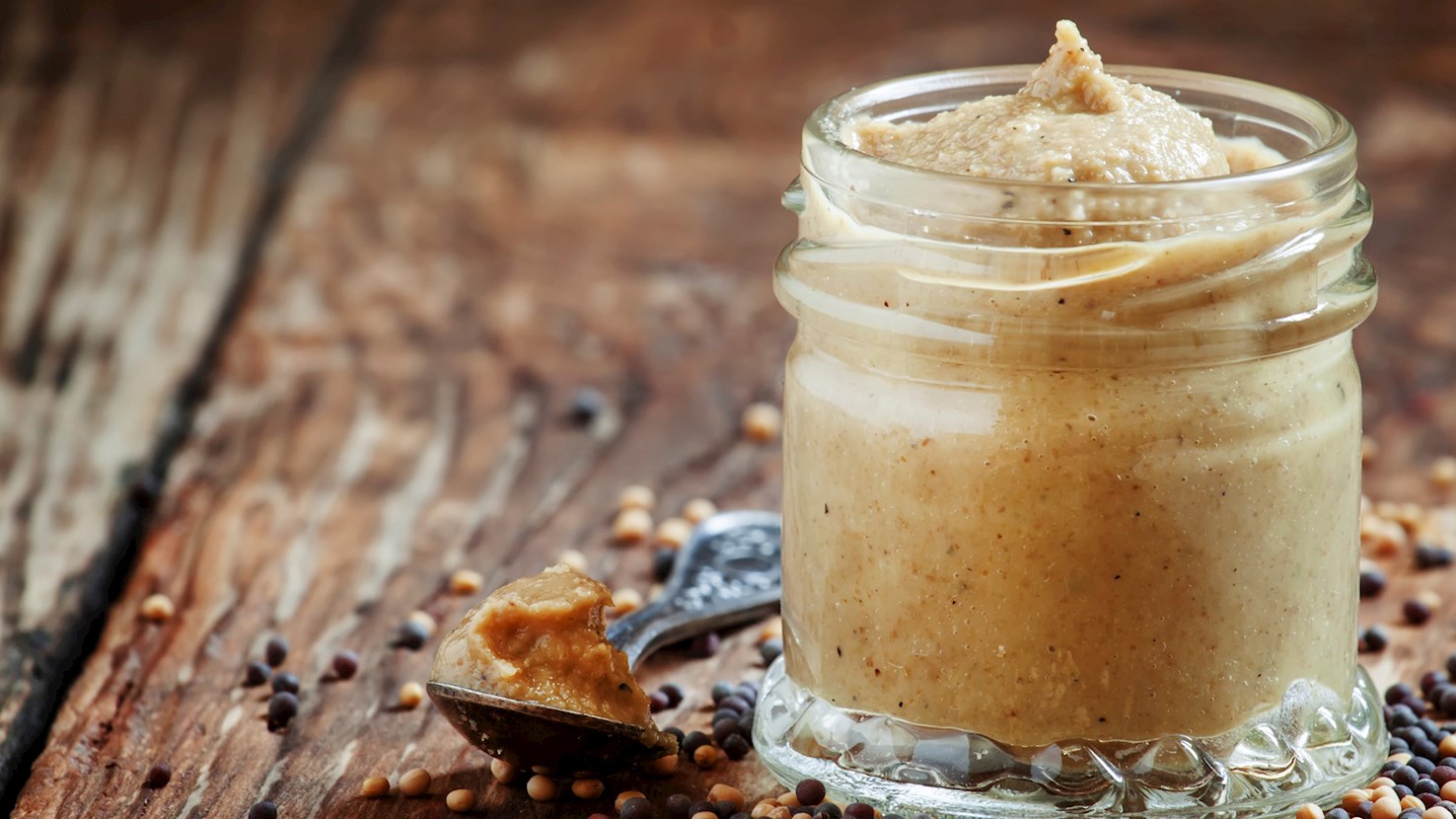
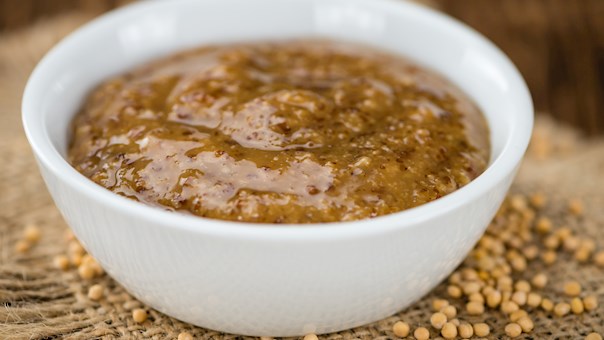
Also known as ABB mustard, this is a specialty from Düsseldorf that has been produced since the early 18th century. The name 'ABB' derives from the initials of company founder Adam Bernhard Bergrath, who also invented the mustard. This malty brown mustard is made with brown and yellow mustard seeds and mixed with unfiltered Düsseldorf spirit vinegar. The method of production has remained virtually unchanged since 1726, and a 500kg granite millstone is still used to grind the seeds. In 1884, while he was living in the town of Nuenen, Dutch painter Vincent van Gogh included a gray mustard pot bearing the initials ABB and the anchor symbol into his painting 'Stilleven met flessen en aardewerk' (Still life with bottles and ceramic). Today, ABB mustard is offered in the same traditional, cork-topped, gray stoneware pot with the company founder's initials and a blue anchor on the front.

06

Dou ban jiang (Chili bean paste)

4.3 ·

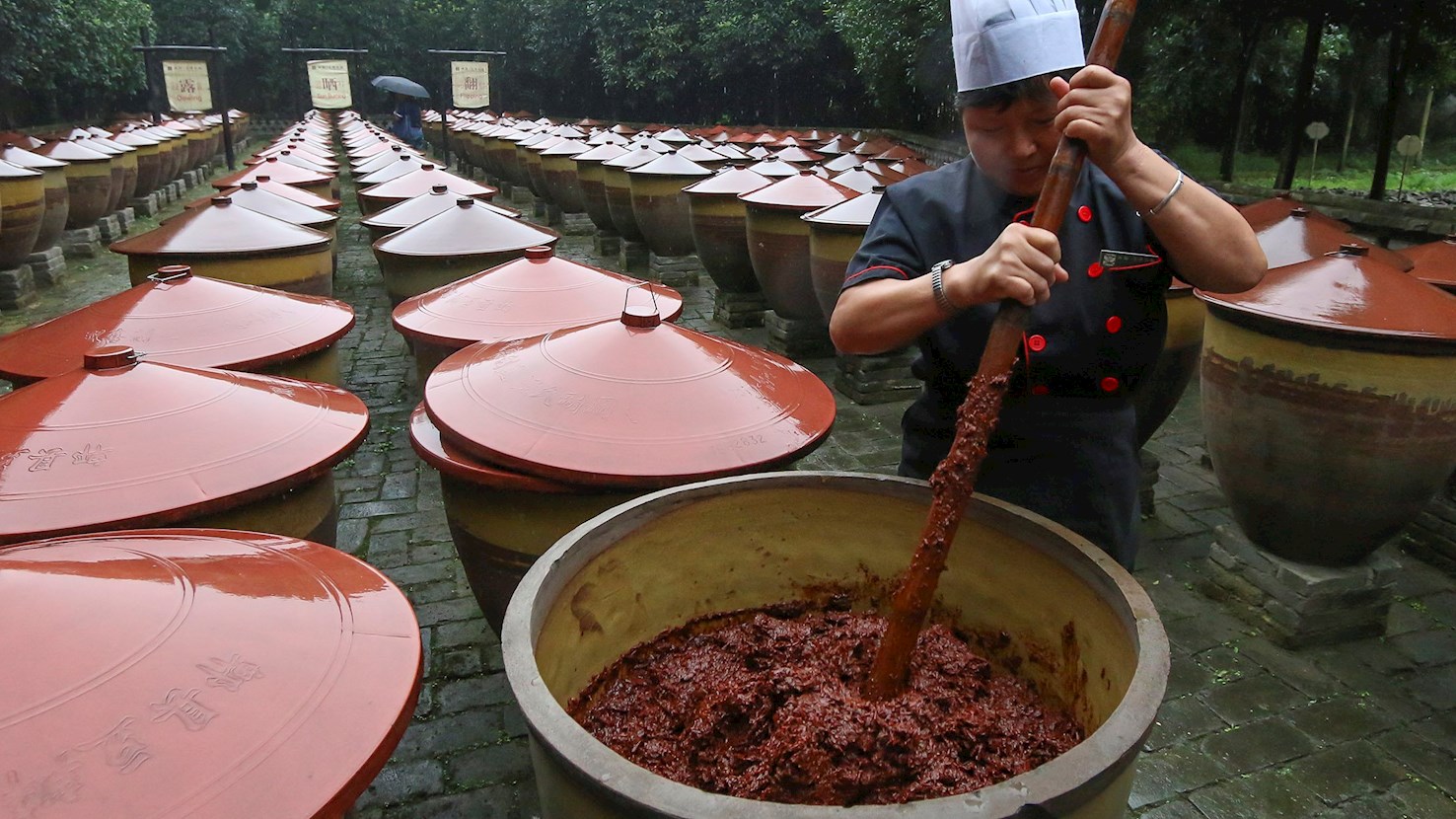
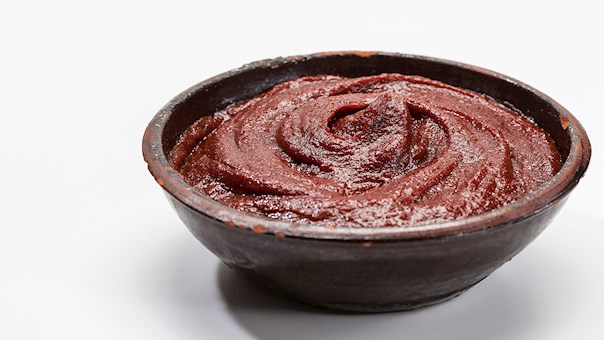
Traditionally, Sichuan's doubanjiang is a paste made from fermented broad beans, salt, chilis, and sometimes wheat flour. The ingredients are mixed and then placed in large clay pots to mature for at least a year while being daily hand-stirred. Depending on the maturation time, spanning from one to eight years, the paste will differ in color, texture, and flavor, ranging from bright red to a dark reddish-brown color. Mature doubanjiang will also have a much spicier and saltier flavor. The sauce which is often dubbed the soul of Sichuan cuisine is an important element in various dishes, most notably mapo doufu and twice-cooked pork. Asian cuisine has various fermented bean pastes made from soy beans, all of which are commonly titled as doubanjiang but only the bean paste prepared in Sichuan province is the authentic version. This bean paste has two subvarieties; one made with red oil, which is brighter and milder, and the other one produced in the town of Pixian, which is darker and with a more pungent taste.

07

Maldon sea salt

4.3 ·

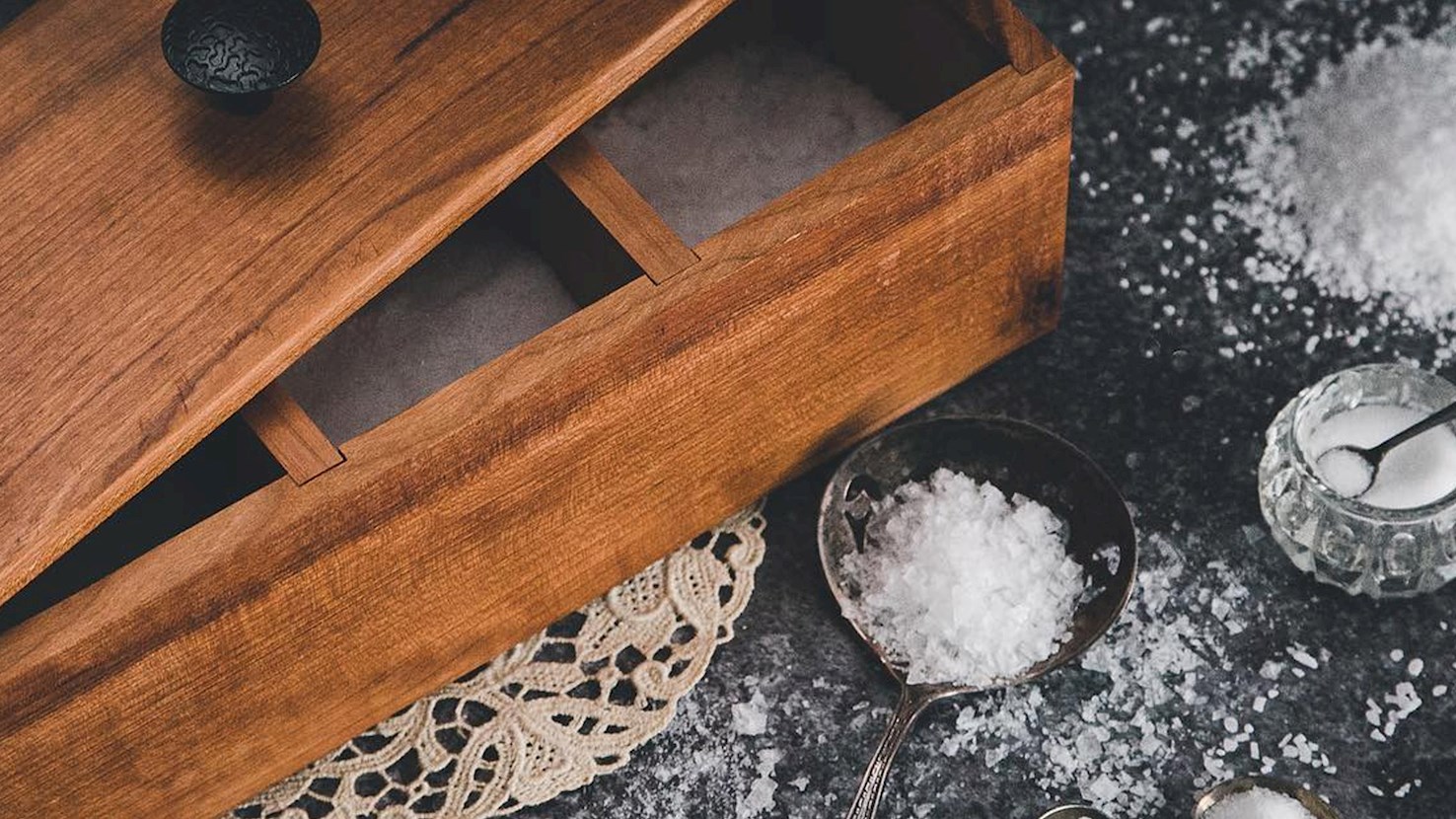
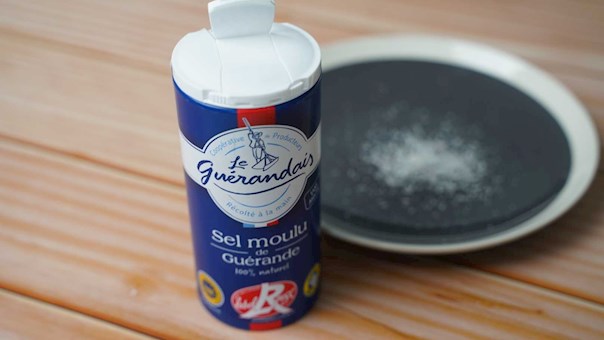
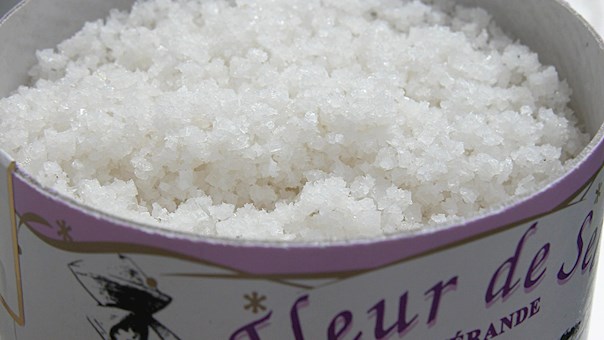
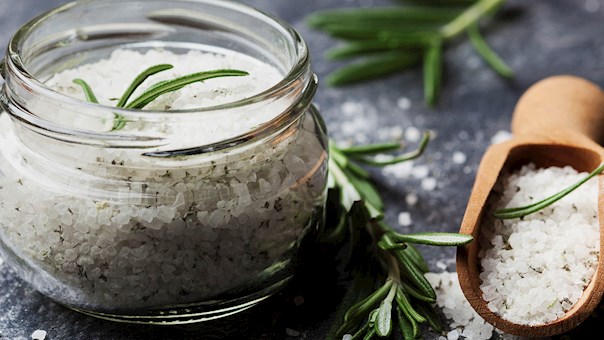
Maldon sea salt is a traditional hand-harvested sea salt originating from Maldon. The salt has been harvested since 1882 and it’s characterized by the unique pyramid-like flakes. The brine is first evaporated over fires that are mounted on brick openings. The pyramid-shaped crystals and flakes stop the salt from forming lumps. Maldon sea salt is typically used as a finishing salt – sprinkle it over grilled meat, butter, or vegetables just before serving for the best results. Its low content of magnesium doesn’t give the salt a bitter aftertaste, as many other salts do. Instead, the flavor is clean and fresh, almost sweet, without any bitter notes.

08

Lyutenitsa

4.3 ·

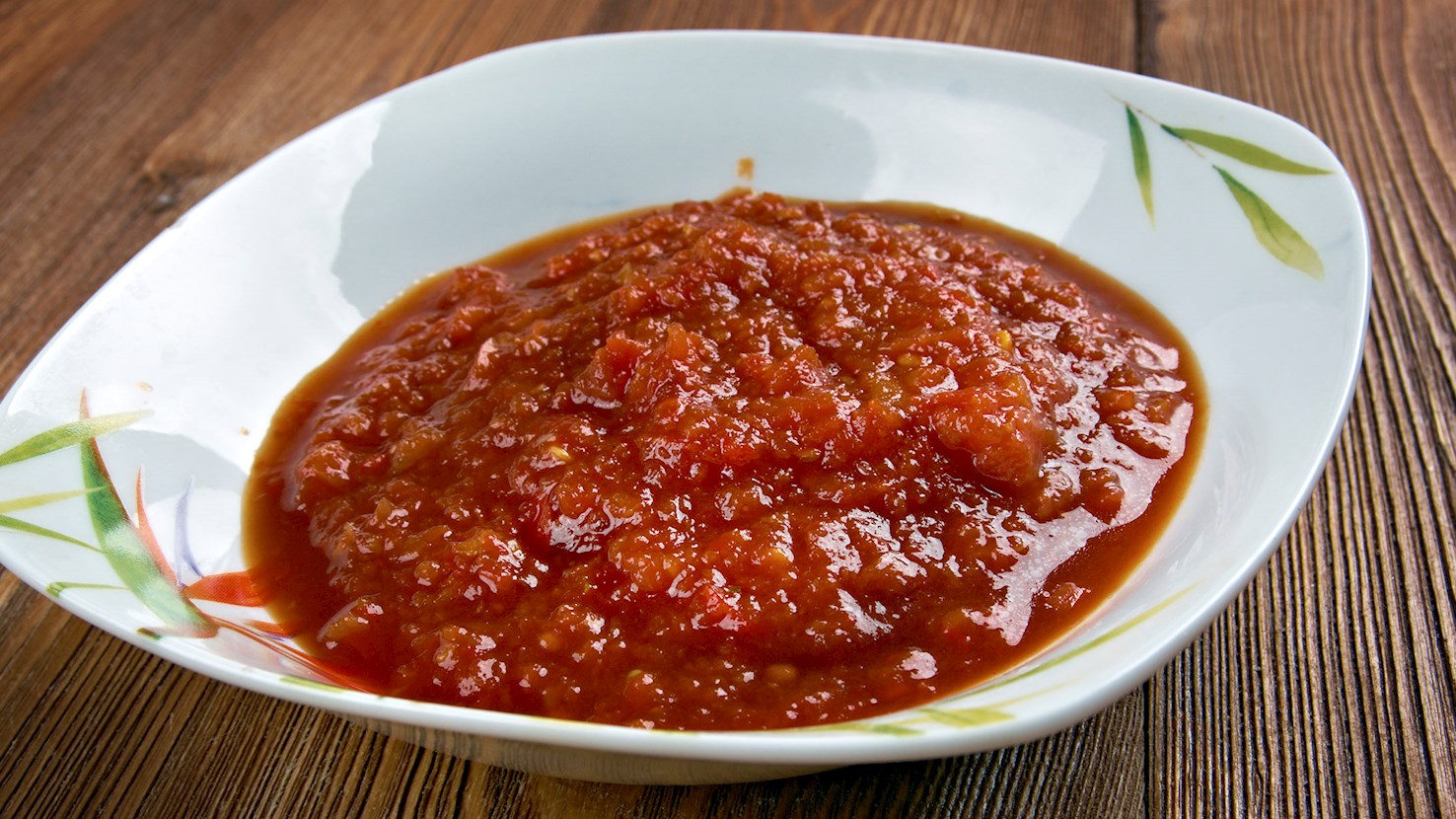
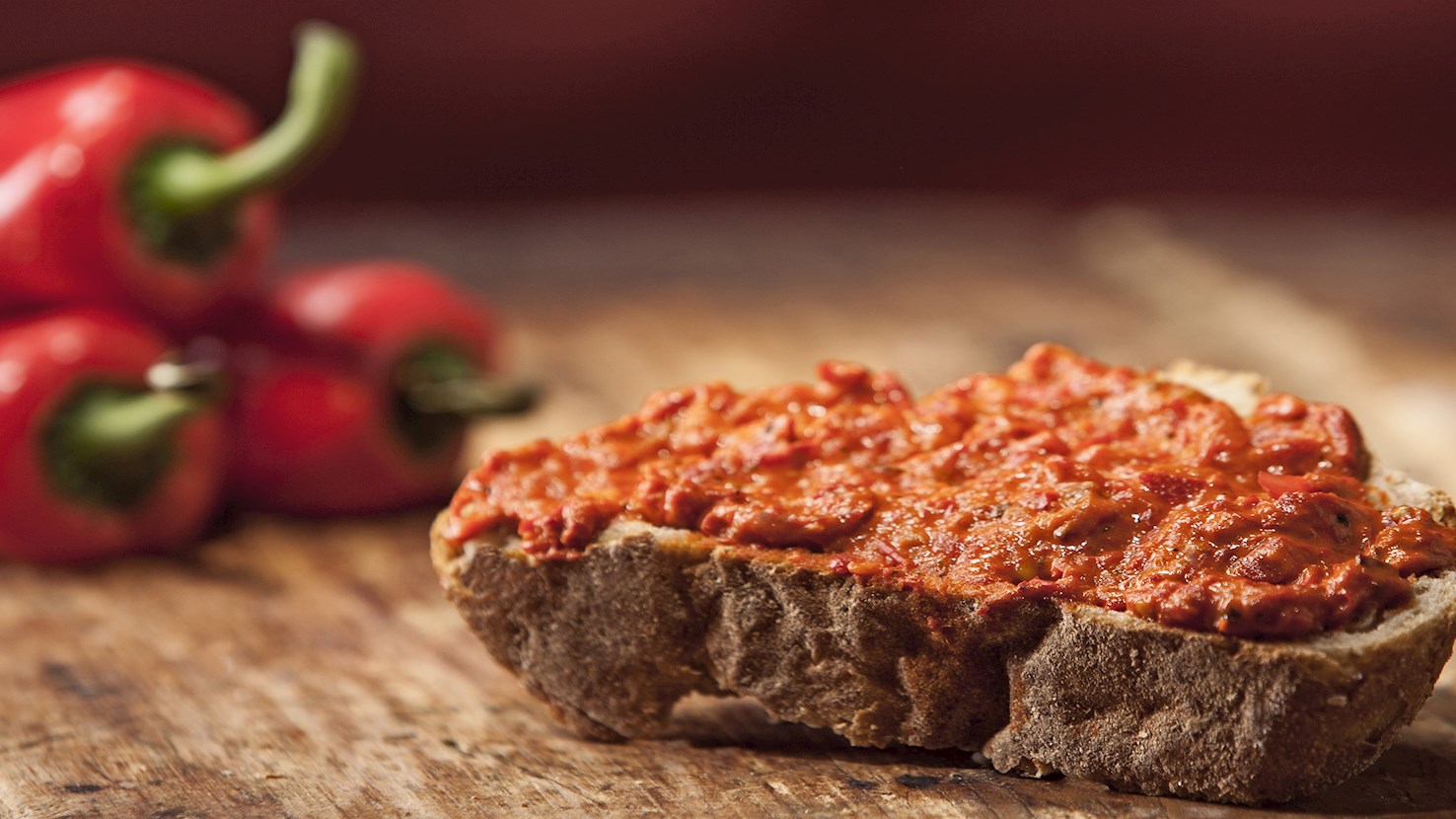
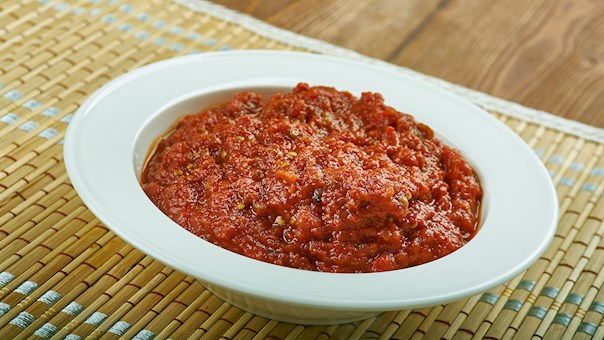
A jar of lutenica or lyutenitsa is one of the essential food items in almost every Bulgarian and North Macedonian household. This famous relish, which lies somewhere between a spread and a chutney, is, at its basic, made with red bull horn peppers, tomatoes, salt, sugar, pepper, and oil. Cumin is also often added. Variations do exist, and you will often find recipes that include eggplant, carrots, garlic, and even parsley and hot peppers. Lyutenitsa is traditionally consumed as a spread, accompanied by bread, crackers, or toast. It is also commonly served on the side with meat dishes, especially grilled meat and meatballs. Depending on the region and personal preference, the ingredients, thickness, and level of spiciness might slightly vary. Lyutenitsa and other similar spreads are often found across the Balkans; however, the relish has been regarded as an authentic Bulgarian product. Even though it is hard to trace when it originally appeared in the country, the mass production of this national favorite started in the 1950s. Today it can be bought in stores and is commonly served in most traditional restaurants. However, the homemade variety, prepared in late summer, when the vegetables are at their peak, is still considered the ultimate version.

09

Jiàng yóu (Soy sauce)

4.3 ·

Soy sauce or jiàng yóu is a fermented liquid condiment produced from soybeans, wheat, salt, and water, originating in China during the Han Dynasty. It evolved from ancient meat-based fermented pastes known as jiàng, which transitioned toward a legume-based production model due to the increasing availability of soybeans and the influence of vegetarian Buddhist practices. The development reached a technological plateau during the Song Dynasty, where the liquid byproduct was systematically separated from the solids to create a refined seasoning. Preparation begins with steaming soybeans and roasting wheat, which are then inoculated with a mold culture, typically Aspergillus oryzae or Aspergillus sojae, to create kōji or qū. This mixture is combined with a saltwater brine and transferred to fermentation vats where enzymes break down the proteins into amino acids and the starches into simple sugars over a period of several months to years. The resulting liquid is extracted, pasteurized, and filtered to produce light soy sauce (shèng chóu), or aged further with the addition of molasses to create dark soy sauce (lǎo chóu). A specific chemical property of jiàngyóu is its high concentration of glutamic acid, which triggers the umami taste receptors on the human tongue. Unlike many other fermented condiments, high-quality jiàng yóu relies on the Maillard reaction occurring slowly at ambient temperatures to develop its dark pigmentation and complex aroma compounds. The condiment is used both as a cooking ingredient and a table seasoning across every province of China and throughout the global Chinese diaspora. It is utilized in the "red braising" technique to provide color and savory depth to proteins, and it is frequently served as a dipping sauce for dumplings or cold appetizers. Common food pairings include steamed fish, where the salinity of the sauce enhances the delicate flavors of the seafood, and stir-fried vegetables where the sugars in the sauce undergo caramelization. For beverage pairings, jiàng yóu-heavy dishes are often accompanied by Shàoxīng rice wine, which shares similar fermentation metabolites, or roasted oolong teas that provide a tannic structure to balance the savory intensity of the fermented soy.

10

Ajvar

4.3 ·

This traditional peppers-and-eggplant relish is one of the most popular condiments all over the Balkans and Eastern Europe. The most prized type of ajvar is often the Macedonian one, made only with red peppers. Though its origins are often disputed, the name ajvar is said to stem from the Turkish word havyar, meaning caviar. In the past, Serbia was especially known for its production of caviar from farmed Black Sea beluga (sturgeon), and was one of the major world exporters. Later on, after facing a fall in production of real caviar, the Serbians instead supposedly started offering the so-called "red ajvar" or vegetable caviar—hence the name. Ajvar is made with red bull horn pepper, hot pepper, eggplant, and garlic; all in variable amounts, depending on personal taste. Before being mashed together into a chunky paste, the vegetables are typically roasted over a wood fire which imparts a pleasing smokiness to this sweet but tangy relish, making it the perfect accompaniment to grilled meats.

Best Condiments in the World
01

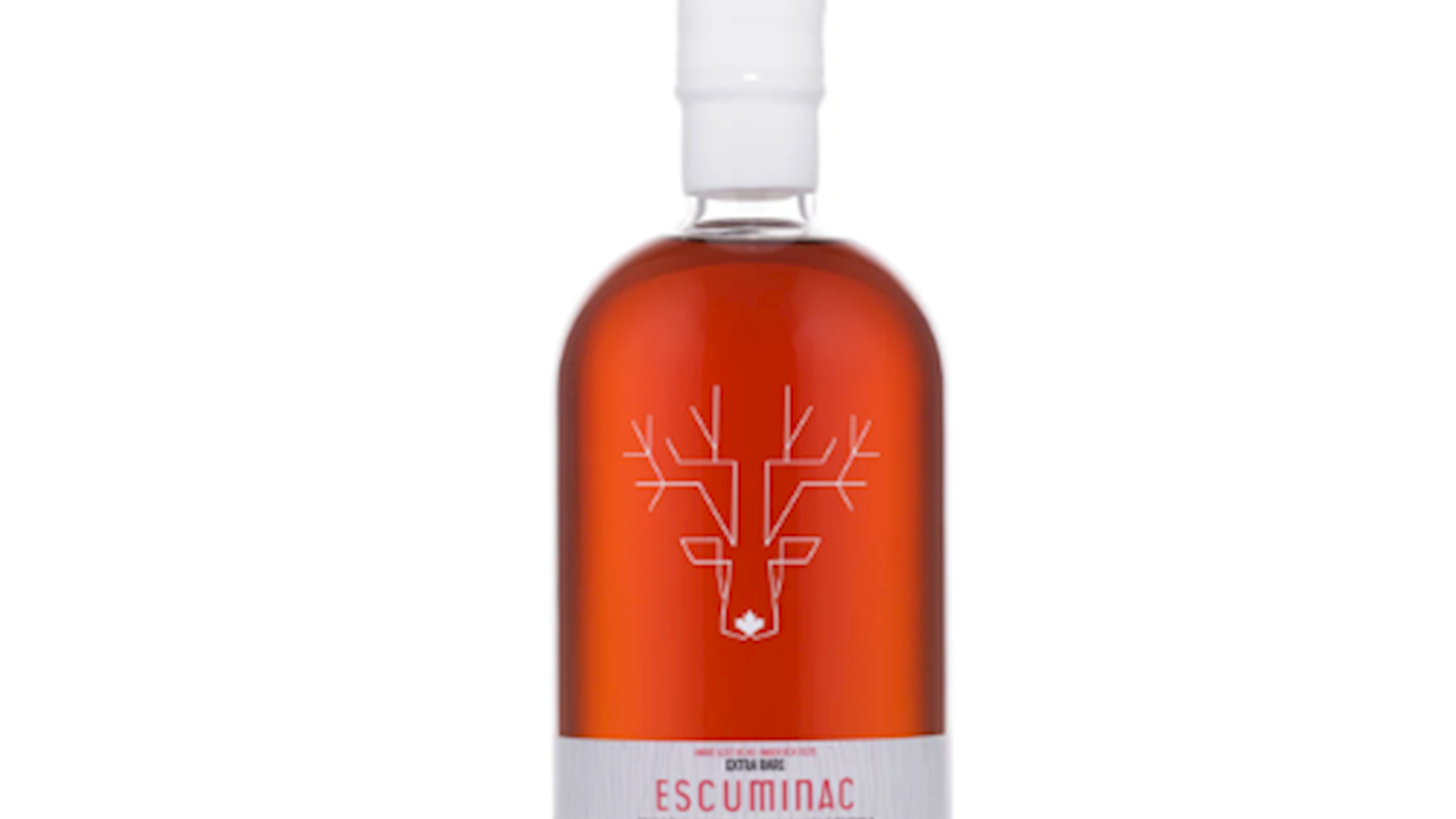
Érablière Escuminac

5 ·
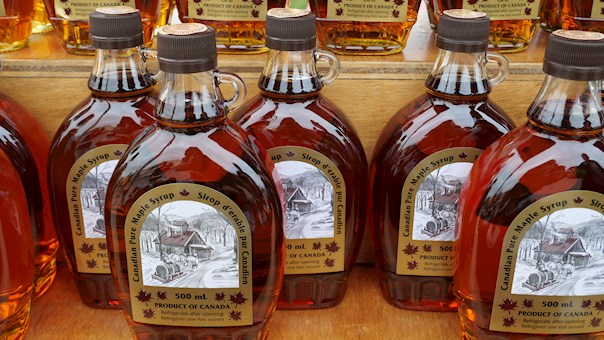
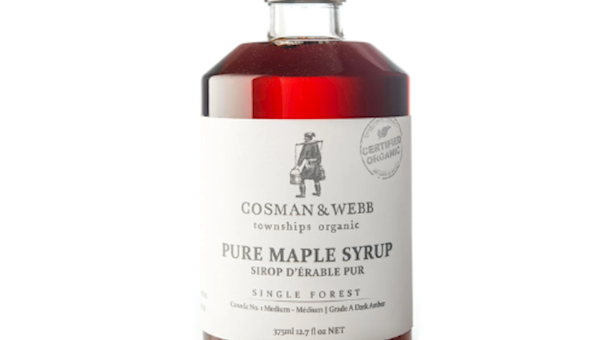
Escuminac is a family-owned farm in Quebec specializing in the production of organic maple syrup, founded in 1998 by Martin Malenfant, a third-generation producer. The estate covers more than 500 hectares and includes around 65,000 maple trees, from which sap is collected each year using traditional yet technologically refined methods. What makes Escuminac unique is its “single forest” approach, meaning that all sap is processed and bottled directly on the farm without blending from other sources. Since 2006, their products have been certified organic, and the entire farm operates according to sustainability principles. Escuminac relies on the distinctive terroir of the Gaspésie region, where a combination of sea air and continental climate shapes the sap’s unique flavor. Their syrups contain significantly more polyphenols than honey, making them one of the nutritionally richer natural sweeteners. Escuminac is a brand that bridges tradition and innovation, preserving heritage while offering products tailored to the modern gourmet market. Thanks to their consistency in quality and ecological commitment, their syrups are recognized worldwide as a premium Canadian specialty.
Awards
Great Taste Awards - 2 Stars (2019)
02

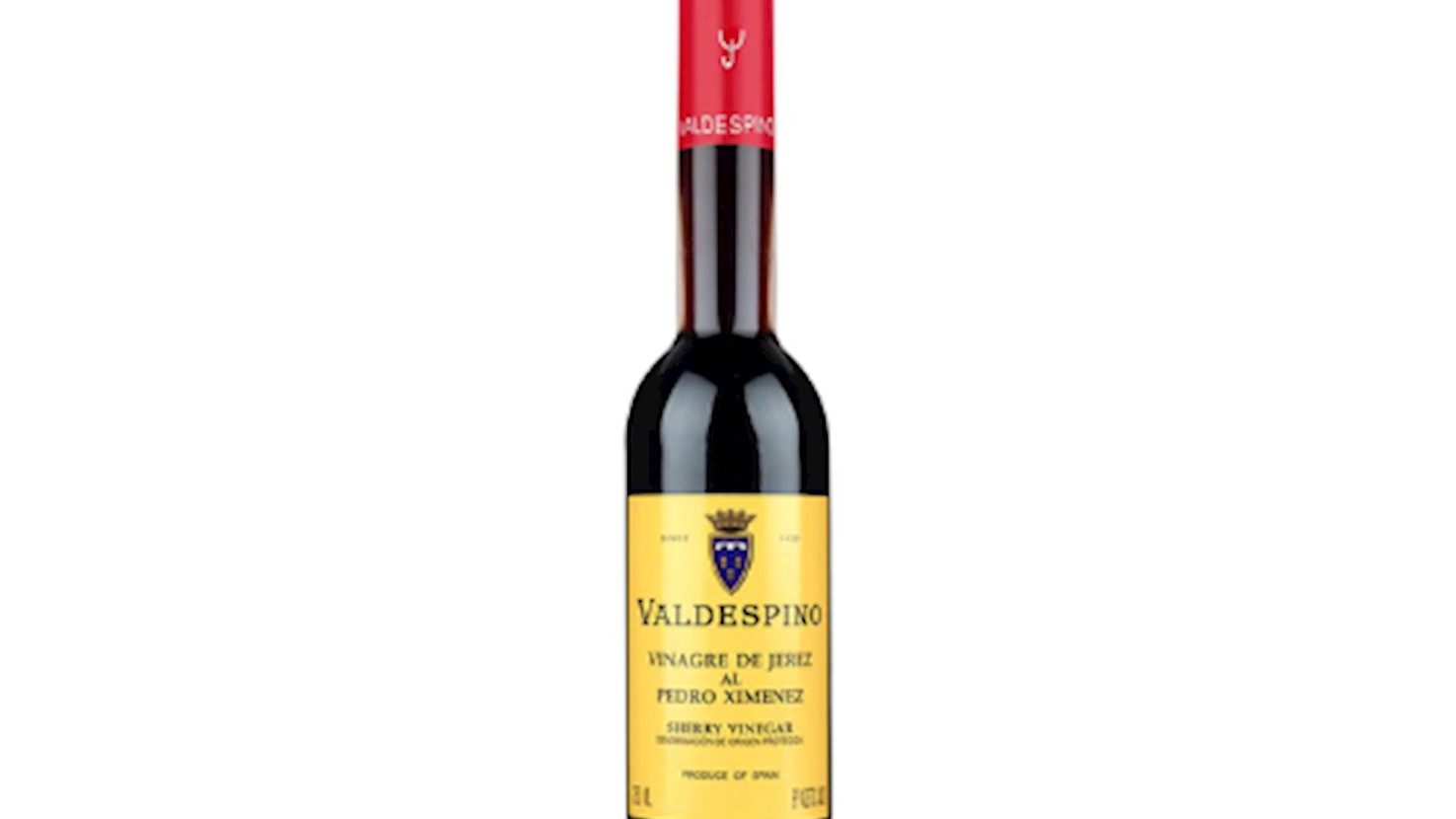
Valdespino

5 ·
Valdespino is one of the oldest and most prestigious wineries in the Jerez de la Frontera region of Spain, with a sherry-making tradition dating back to the 13th century. The winery is unique for producing wines from the renowned Pago de Macharnudo Alto vineyard, the most important "cru" in Jerez and one of the most esteemed in the world. Valdespino is known for its commitment to traditional production methods, including fermentation in oak barrels and long aging processes, resulting in sherry wines of exceptional complexity and character. Their collection includes various styles of sherry, such as Fino, Manzanilla, Amontillado, Oloroso, and Palo Cortado, each with its own distinctive characteristics.
Awards
Decanter World Wine Awards - Platinum (2022, 2020)
Falstaff - 100
03

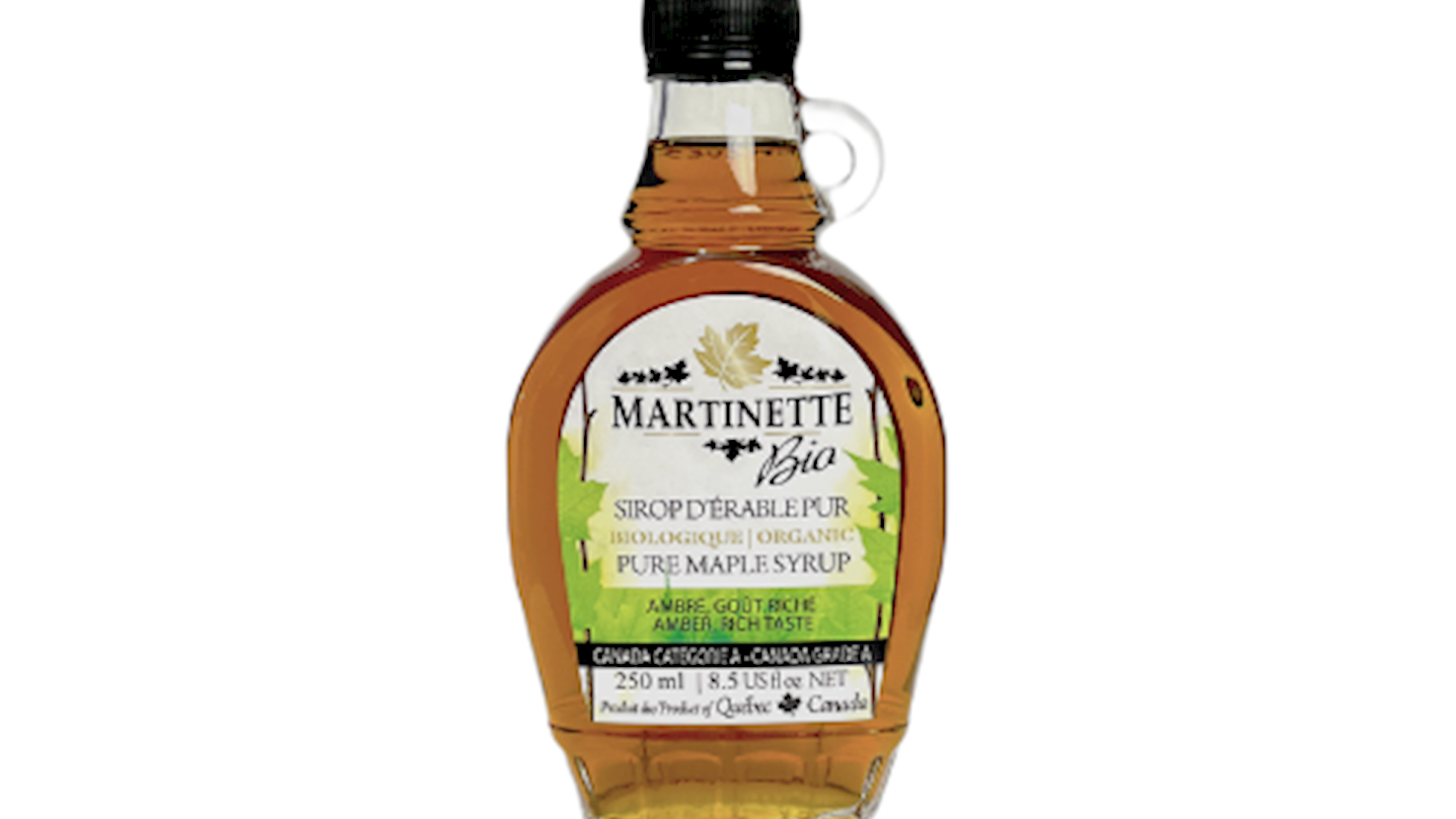
La Ferme Martinette

5 ·
La Ferme Martinette is a family-owned company from Quebec, located in the Coaticook region, specializing in the production of high-quality maple products since 1993. It was founded by Claude and Francine Martin, with a vision to combine traditional craftsmanship with modern standards of food quality and safety. Today, La Ferme Martinette produces more than 180 different maple-based products, with a large part of the assortment certified as organic. The production process is carefully managed - from sap collection to packaging - ensuring the preservation of authentic flavor and nutritional value. The company exports to more than 20 countries, including markets in Europe, Asia, and the Middle East, confirming its international reputation. La Ferme Martinette successfully blends tradition, innovation, and sustainability, offering products that embody the essence of Canadian heritage and premium gourmet excellence.
04

Nos Cabanes

5 ·
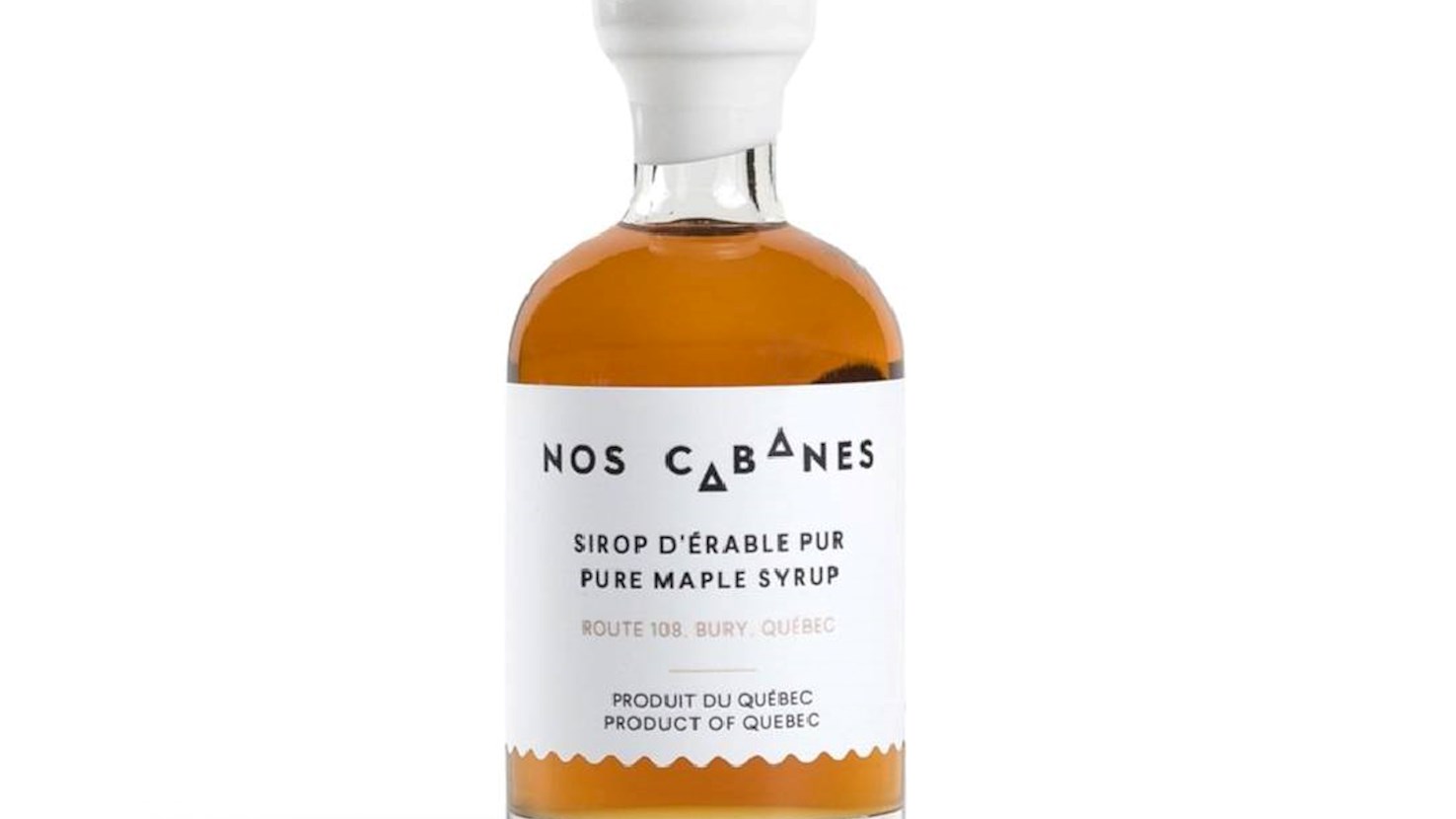
Nos Cabanes is a brand that lovingly celebrates the richness and diversity of maple syrup, transforming this traditional Canadian product into a true culinary experience. Their philosophy is rooted in the belief that every syrup carries a unique story, flavor, and character, much like fine wine or olive oil. Through carefully selected sugar bushes and close collaboration with local producers, Nos Cabanes curates a collection of authentic maple syrups that reflect the land, the seasons, and the people behind them. The brand also offers delicacies such as creamy maple butter made from pure syrup, and scented candles inspired by the warmth and sweetness of maple sugar. Nos Cabanes is more than just a collection of products—it is a bridge between consumers and the artisans who craft each bottle with care. Every product tells a story, honors its origin, and embodies a deep commitment to authenticity, quality, and respect for nature.
05

La Ferme du Loup

5 ·
La Ferme du Loup is a family-run farm located in Saint-Paulin, in the Mauricie region of Quebec, Canada, renowned for crafting exceptional maple-based products that unite tradition and innovation. Founded in 2005 on the site of a historic maple grove once owned by the Boucher family, the farm continues a century-old practice of maple syrup production while infusing it with a modern vision and distinctive identity. Its philosophy is rooted in respect for nature, honesty toward the land, and minimal intervention throughout the process - values that are reflected in every product. The farm’s main creation is organic maple syrup, celebrated for its purity, balanced taste, and the strong expression of the Mauricie terroir. Beyond syrup, La Ferme du Loup has gained recognition for pioneering the production of wines and sparkling wines made from maple sap, which are naturally fermented with minimal sulfites and no additives. The entire production takes place on the farm, with close attention paid to every step - from sap collection to fermentation and bottling. Their products combine the natural aromas of maple with subtle notes of wild berries and blossoms, resulting in a complex and refined flavor profile. Today, La Ferme du Loup stands as a symbol of authenticity and innovation in the world of maple craftsmanship - proof that tradition can serve as a foundation for something entirely new and inspiring.
06

Ô d’Or Maple Syrup

5 ·
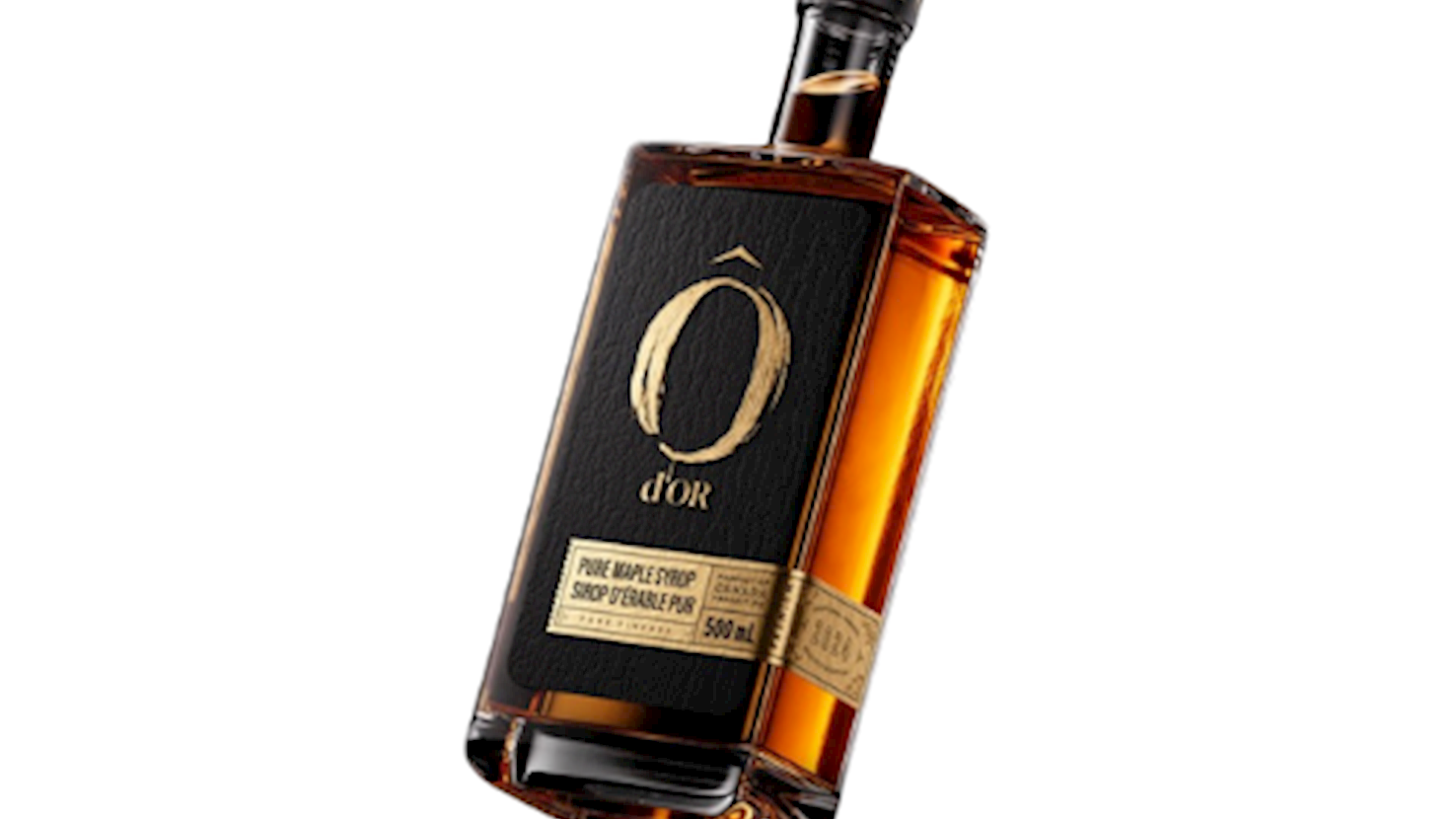
Ô d’Or Maple Syrup is a Canadian premium brand that sets the highest standard in maple syrup production, based on the “single forest” concept - collecting sap from a single, carefully selected forest without blending sources. This approach ensures complete control over the quality, aroma, and origin of every liter of syrup. It is produced in limited batches and bottled by hand, guaranteeing consistency and authenticity. During the evaporation process, modern technology is combined with traditional methods to preserve the natural complexity of flavor and the richness of minerals. Ô d’Or offers two main varieties - Golden Label and Amber Label. The Golden Label features a light golden color with delicate floral and vanilla notes and a velvety texture, while the Amber Label displays a deeper amber hue with pronounced caramel, buttery, and spicy tones. Ô d’Or syrup is used as a topping, an ingredient in desserts and cocktails, and pairs beautifully with cheeses and meats in refined cuisine. The brand merges artisanal craftsmanship, sustainable philosophy, and luxurious design, embodying the essence of Canadian terroir in its most sophisticated form.
07

Kakukyu Hatcho Miso

5 ·
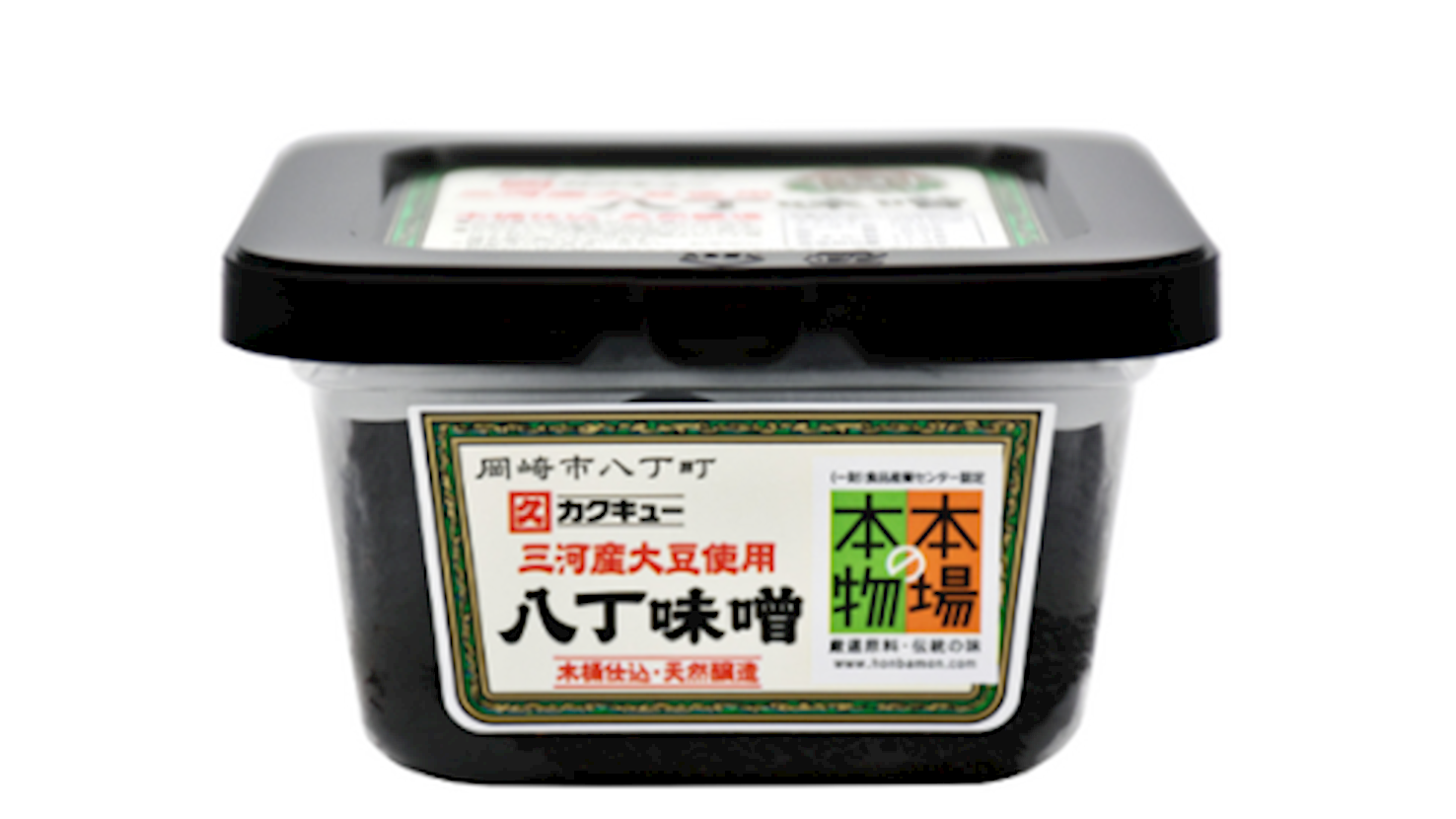
Kakukyu has been producing Hatcho miso since 1645 and is today one of the last remaining guardians of this traditional method. This miso paste is made exclusively from soybeans and salt, without the addition of rice or barley, making it unique among other types of miso. The fermentation process lasts for at least two years in large wooden barrels, with heavy river stones placed on top of the miso to naturally develop its complex flavors and preserve its authentic texture. The result is a dense, dark reddish-brown paste with an intense umami flavor, complemented by subtle notes of acidity and mild bitterness. Due to its depth and richness, Kakukyu Hatcho Miso is used in many traditional dishes from the Nagoya region - such as miso soup, dote-ni, miso udon, or miso katsudon - and is increasingly found in modern fusion recipes, even in desserts like chocolate creams. Kakukyu masterfully combines centuries-old tradition with contemporary quality standards, making it a recognized and respected brand among lovers of authentic Japanese cuisine around the world.
08

Virgin Mady

5 ·
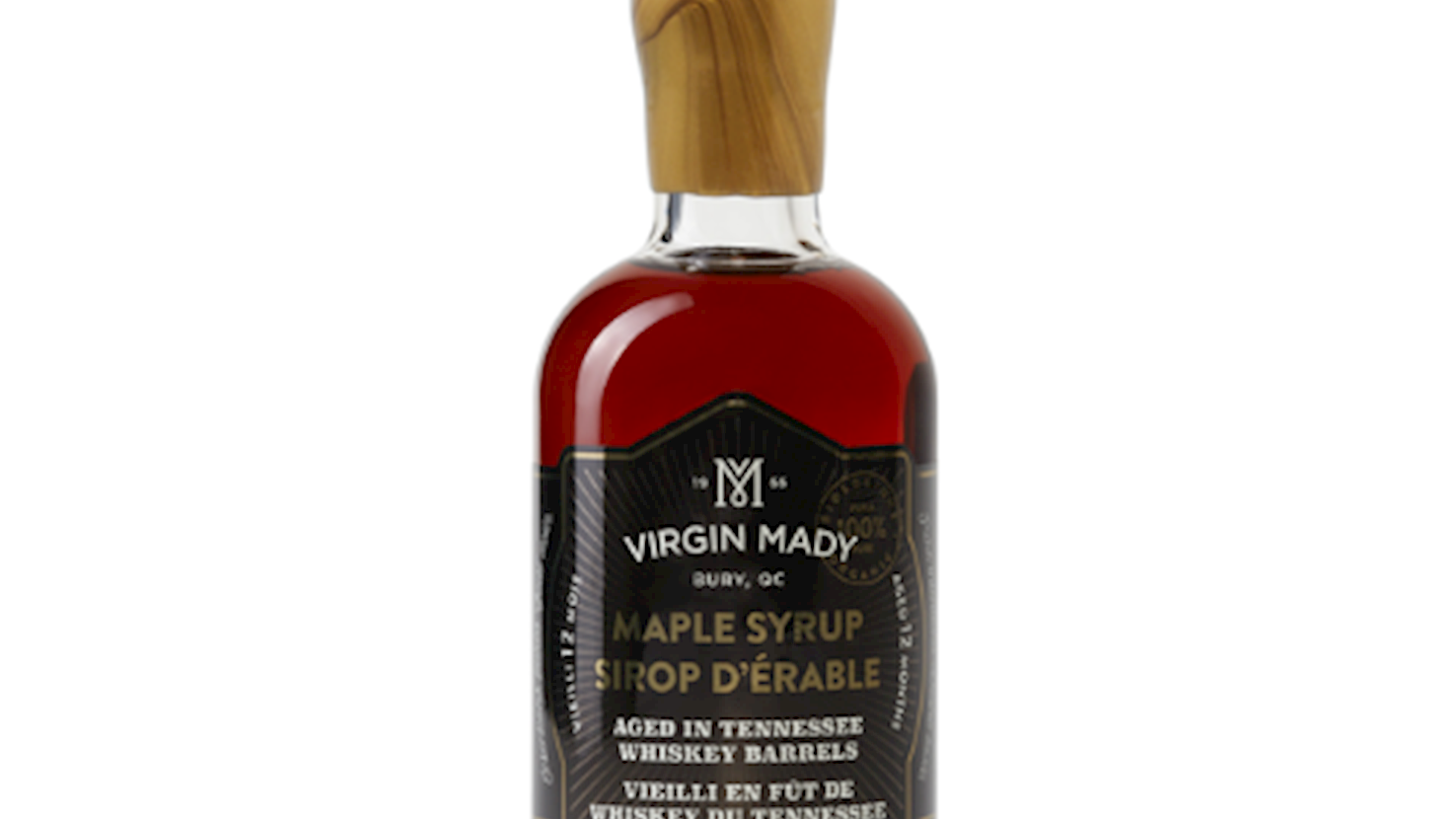
Virgin Mady is a family-owned company from Bury, Quebec, Canada, known for its premium organic products made from pure maple syrup. The brand was born out of family tradition and a deep respect for nature, aiming to present the authentic taste of Canadian maple in a modern, gourmet form. Its core offering is pure maple syrup sourced from local forests, produced through a careful and sustainable process that preserves both its nutritional and aromatic qualities. Virgin Mady offers a wide range of variations - from classic maple syrup to innovative flavors infused with smoke, coffee, bourbon, or Madagascan vanilla. The syrup’s texture is smooth and dense, with warm amber hues and rich caramel notes that capture the essence of Canada’s forests. Their products are used both in traditional desserts and in contemporary culinary pairings with meat, cheese, and vegetables. The packaging reflects elegance and simplicity, designed to highlight the natural purity and refined character of the products.
09

Sichuan Pixian Douban

5 ·
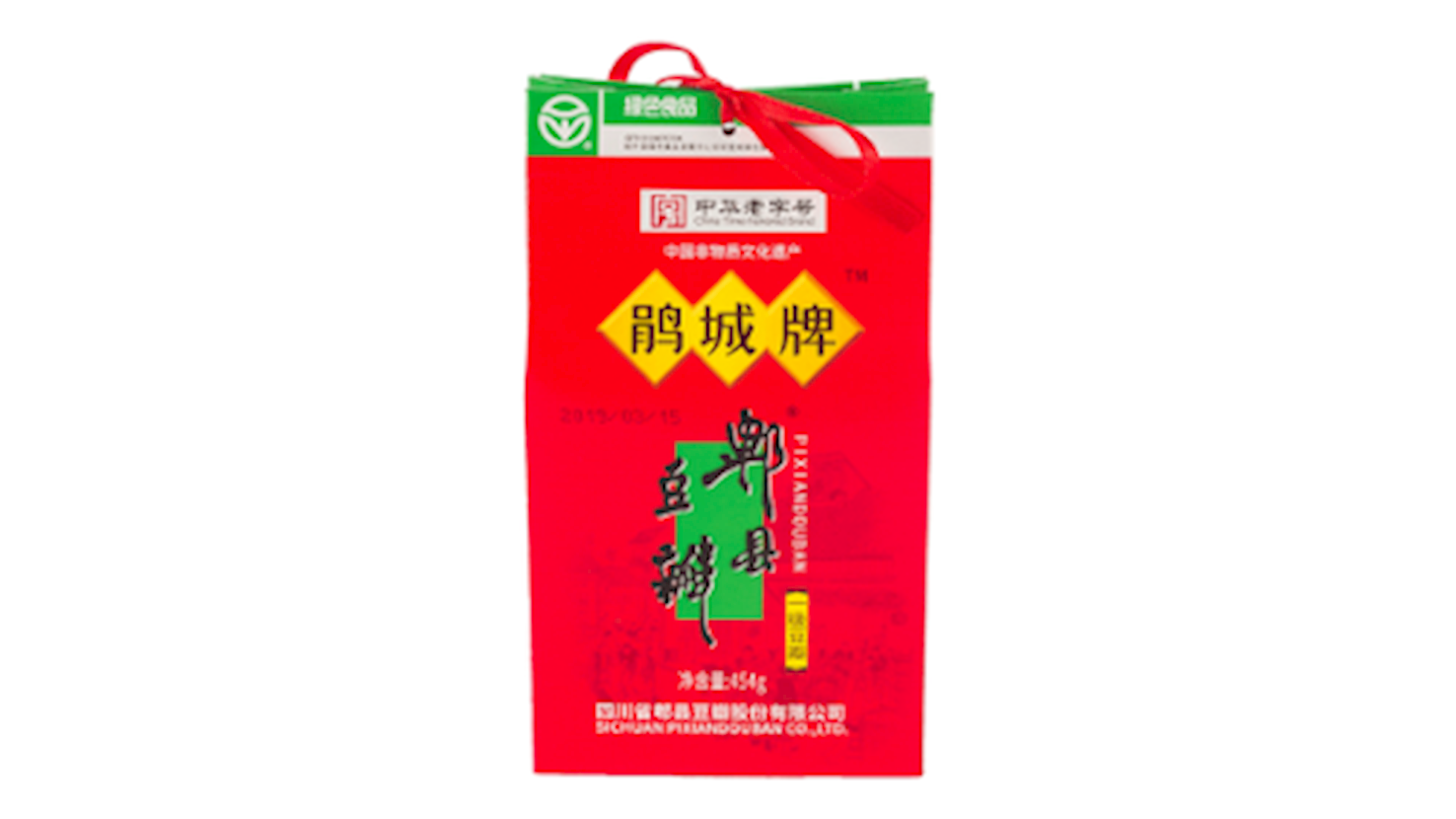
Sichuan Pixian Douban is a historic brand from Pidu District (formerly Pixian) in Sichuan Province, known for producing traditional doubanjiang made from fermented fava beans and chili peppers. Its production dates back to the 17th century, giving the brand an exceptional heritage and a strong connection to the local climate and microbial environment that shape the fermentation process. The core of their method involves long, natural sun-fermentation, the use of the local Erjingtiao chili variety, and aging in clay vessels, resulting in a deeply layered, umami-rich flavor profile. The brand holds a protected geographical indication, ensuring that the paste originates directly from Pixian and follows traditional, region-specific techniques. It is recognized for its thick texture, visible bean-and-chili structure, and a distinctive aroma that cannot be reproduced through industrial shortcuts. Because of its authenticity, Pixian douban is considered the benchmark for Sichuan cuisine and the foundation of classics such as Mapo tofu and twice-cooked pork. Despite partial modernization of the industry, the brand continues to uphold original methods that preserve the unique character of natural fermentation. This combination of tradition, terroir, and craftsmanship makes Sichuan Pixian Douban one of China’s most respected and influential producers of doubanjiang.
10

Haitian

5 ·
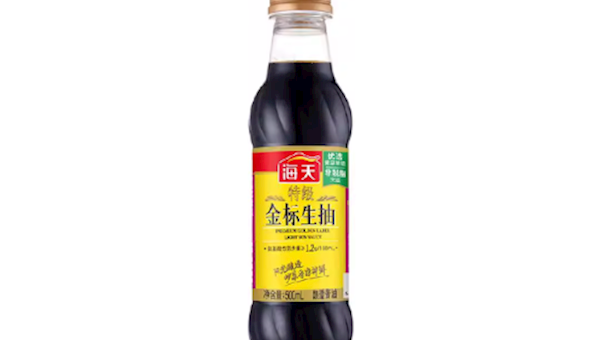
Haitian is China’s largest producer of soy sauce, oyster sauce, and other fermented seasonings, with roots that trace back to traditional workshops of the 16th century in Foshan, Guangdong Province. Its product range covers a broad selection of seasonings - from various types of light and dark soy sauce to oyster sauce, marinades, and modern ready-to-cook sauces designed for global markets. Haitian is regarded as a benchmark brand in its category due to its consistent quality, adaptability to both domestic and international consumers, and continuous technological innovation in production. The brand has a strong export presence and serves as one of the key gateways for introducing authentic Chinese flavors to international gastronomy.
About this ranking

TasteAtlas food rankings are based on the ratings of the TasteAtlas audience, with a series of mechanisms that recognize real users and that ignore bot, nationalist or local patriotic ratings, and give additional value to the ratings of users that the system recognizes as knowledgeable. For the “Top 100 Condiments in the World” list until June 10, 2026, 9,319 ratings were recorded, of which 6,626 were recognized by the system as legitimate. TasteAtlas Rankings should not be seen as the final global conclusion about food. Their purpose is to promote excellent local foods, instill pride in traditional dishes, and arouse curiosity about dishes you haven’t tried.

The initial list of top producers was compiled based on available reviews, awards, local recommendations, media and blog coverage, and consumer reviews. The list will be updated with ratings from TasteAtlas local ambassadors and TasteAtlas users.

Similar lists